Exercises to Maintain an Active Lifestyle After 40

Crossing the age threshold of 40 brings a wealth of life experience, career stability, and personal growth. However, it also marks a pivotal phase for your physical body. Around this time, naturally occurring physiological changes begin to take shape. Sarcopenia, which is the gradual loss of muscle mass, typically accelerates at a rate of three to five percent per decade after age 30. Joint cartilage thins, bone density slowly declines, metabolic rate slows, and connective tissues become somewhat less pliable.
These shifts do not mean that physical decline is inevitable. On the contrary, physical activity after 40 becomes a powerful tool for maintaining vitality, longevity, and overall quality of life. The primary goal of an exercise routine shifts from purely aesthetic milestones or extreme performance targets toward functional movement, structural durability, metabolic efficiency, and joint longevity. Adapting your movement strategy allows you to build a resilient body that stays active, energetic, and pain-free for decades to come.
The Physical Benefits of Regular Exercise After 40
Staying physically active after 40 provides profound benefits that extend across every system in your body. Understanding how movement counters age-related changes helps build the discipline needed to stay consistent.
Preserving Lean Muscle Mass and Metabolic Rate
Muscle tissue is metabolically active, meaning it burns calories even when your body is at rest. As age-related muscle loss occurs, your resting metabolic rate naturally decreases, making weight management more challenging. Engaging in regular resistance training stimulates muscle protein synthesis, preserving lean mass and keeping your metabolism firing efficiently.
Protecting Bone Density and Joint Function
Bone is a living tissue that constantly breaks down and rebuilds. Weight-bearing activities and resistance training place safe mechanical stress on your skeletal structure, signaling your osteoblasts to build denser bone tissue. This mechanism lowers the risk of osteopenia and osteoporosis later in life. Furthermore, movement stimulates the production of synovial fluid, which lubricates your joints and nourishes cartilage, keeping stiffness and discomfort at bay.
Supporting Cardiovascular and Hormonal Health
Hormonal changes, such as fluctuations in testosterone in men and shifting estrogen levels in women, alter body composition and cardiovascular risk profiles after 40. Aerobic conditioning strengthens the cardiac muscle, lowers resting blood pressure, enhances insulin sensitivity, and improves lipid profiles. Regular exercise also helps regulate cortisol, the body’s primary stress hormone, promoting better mood, restorative sleep, and mental clarity.
Key Exercise Pillars for Adults Over 40
A well-rounded fitness framework after age 40 should rest on four main pillars: strength training, low-impact cardiovascular conditioning, mobility work, and core stability. Balancing these elements keeps your physical body balanced, adaptable, and injury-resistant.
Resistance Training for Functional Strength
Lifting weights or using bodyweight resistance is non-negotiable for anyone looking to stay active past 40. The focus should center on compound movements that recruit multiple major muscle groups, mimicking real-world activities like lifting, carrying, bending, and reaching.
-
Goblet Squats: Holding a dumbbell or kettlebell against your chest while squatting strengthens your quadriceps, glutes, and core. Squatting reinforces the functional movement pattern needed to sit down and stand up with ease.
-
Romanian Deadlifts: This posterior chain movement targets the hamstrings, glutes, and lower back. Proper hip hinging protects the lumbar spine from strain during everyday lifting tasks.
-
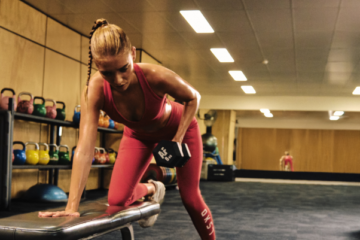
Dumbbell Rows: Pulling movements strengthen the upper back, rear shoulders, and latissimus dorsi. Strong back muscles counter the rounded posture often caused by long hours sitting at desk stations or driving.
-
Overhead Dumbbell Presses: Pressing moderate weights overhead builds shoulder stability, strengthens upper chest fibers, and engages the core.
Low-Impact Cardiovascular Conditioning
High-impact workouts like heavy running or repeated plyometrics can sometimes irritate mature joints. Low-impact cardiovascular training elevates your heart rate and strengthens your heart without subjecting ankles, knees, and hips to harsh impact forces.
-
Brisk Walking: Walking is one of the most accessible and effective forms of cardiovascular exercise. Aiming for brisk, intentional walks daily boosts heart health, improves insulin sensitivity, and supports joint health with minimal fatigue.
-
Swimming and Water Aerobics: Water provides natural resistance while supporting your body weight. Swimming builds cardiovascular stamina, expands lung capacity, and strengthens full-body muscle groups with zero joint impact.
-
Stationary Cycling: Cycling allows you to adjust resistance and cadence precisely. It targets the quadriceps and hamstrings while keeping force off the knee joints.
-
Rowing Machine Workouts: The rowing machine offers a full-body cardiovascular workout that engages eighty-six percent of your muscles, combining aerobic conditioning with muscular endurance.
Mobility and Flexibility Exercises
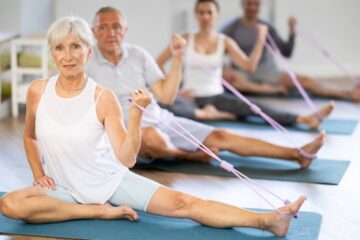
Flexibility refers to the length of a muscle, while mobility refers to the usable range of motion around a joint. As connective tissues lose hydration over time, maintaining joint mobility becomes critical for preventing stiffness and injury.
-
Dynamic Hip Opener Stretch: Hips often tighten from prolonged sitting. Kneeling lunge stretches open the hip flexors, allowing the pelvis to align naturally and reducing strain on the lower back.
-
Thoracic Spine Rotations: Quadruped rotational movements restore mobility to the mid-back region. Improving thoracic rotation relieves excessive rotational stress on the lower back and neck.
-
Ankle Dorsiflexion Drills: Flexing the ankle against a wall keeps ankle joints mobile, which improves squat depth, balance, and gait efficiency while walking.
Core and Balance Training
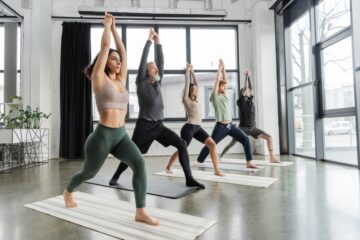
A strong core functions as an internal brace, protecting the spine during all physical movements. Balance training activates stabilizing muscles that prevent slips, trips, and falls.
-
Plank Variations: Traditional forearm planks and side planks build isometric core strength without requiring repetitive spinal flexion like traditional situps.
-
Bird-Dog Movement: Raising opposite arms and legs from a hands-and-knees position trains cross-body stabilization, reinforcing lumbar stability and balance.
-
Single-Leg Stance Drills: Standing on one leg for thirty seconds at a time strengthens the ankles, activates gluteus medius stabilizers, and improves balance performance.
Practical Strategies for Safe, Sustainable Workouts
Training after 40 requires a smarter, more deliberate approach to recovery and routine structure. Consistency always outperforms intensity over the long term.
Prioritize Comprehensive Warmups
Never skip your warmup routine. Cold muscles and tendons are more susceptible to strains and tears. Spend five to ten minutes performing dynamic movements such as arm circles, leg swings, bodyweight squats, and torso twists to increase core body temperature, lubricate joints with synovial fluid, and prep the central nervous system.
Emphasize Recovery and Rest Days
Your body adapts and grows stronger during periods of rest, not during the actual workout. As recovery times lengthen naturally with age, schedule at least two dedicated rest or active recovery days each week. Prioritize seven to eight hours of quality sleep, keep stress levels managed, and consume adequate protein to support muscle repair.
Train with Controlled Tempo and Form
Leave your ego outside the gym. Focus on lifting weights with controlled, deliberate movement tempos rather than chasing heavy weights with poor execution. Focus on a controlled eccentric phase, a brief pause at the bottom, and a smooth concentric contraction. Proper execution protects connective tissue while maximizing muscular tension.
Frequently Asked Questions
How many days a week should someone over 40 exercise?
A balanced weekly routine typically includes three days of resistance training alongside two to three days of low-impact cardiovascular activity. Scheduling two rest or active recovery days allows connective tissues and the central nervous system to repair fully between sessions.
Is weightlifting safe after 40 if you have never lifted before?
Yes, weightlifting is safe and highly recommended for beginners over 40. Start with bodyweight exercises or light dumbbells to learn foundational movement patterns like squatting, hinging, pushing, and pulling. Working with a qualified personal trainer for a few sessions can help ensure proper technique and prevent injury.
Should men and women over 40 follow different exercise guidelines?
The core training principles of resistance, cardiovascular conditioning, and mobility apply equally to both men and women over 40. However, women going through perimenopause or menopause benefit greatly from prioritizing heavy resistance training and high-impact or multi-directional loading to offset rapid declines in bone density caused by dropping estrogen levels.
How can I protect my knees when doing leg workouts?
Protect your knees by prioritizing proper alignment during all exercises. Keep your knees tracking over your middle toes during squats and lunges rather than letting them collapse inward. Strengthen your glutes, hamstrings, and hip stabilizers, as weak hip muscles often cause excessive forces to transfer directly down into the knee joints.
How do I know the difference between normal muscle soreness and an actual injury?
Normal Delayed Onset Muscle Soreness feels like a dull, diffuse ache across the belly of a muscle group that typically peaks 24 to 48 hours after a workout and improves with light movement. An injury often presents as sharp, localized, or throbbing pain that occurs suddenly during a movement, causes joint swelling, or persists for more than a week without improvement.
Can low-impact exercises like walking really build enough fitness after 40?
Brisk walking is an exceptionally effective cardiovascular exercise that improves heart health, regulates blood sugar, reduces systemic inflammation, and aids weight management without placing stress on your joints. While walking provides excellent cardiovascular benefits, pairing it with at least two days of resistance training ensures you also protect muscle mass and bone density.
What should I eat before and after workouts to support recovery after 40?
Before a workout, consume a light meal containing complex carbohydrates and a modest amount of protein to provide steady energy. After exercise, prioritize consuming 20 to 30 grams of high-quality protein to stimulate muscle repair, along with carbohydrates to replenish depleted muscle glycogen stores and accelerate recovery.