
How Yoga Helps Improve Mental Clarity and Emotional Resilience Naturally
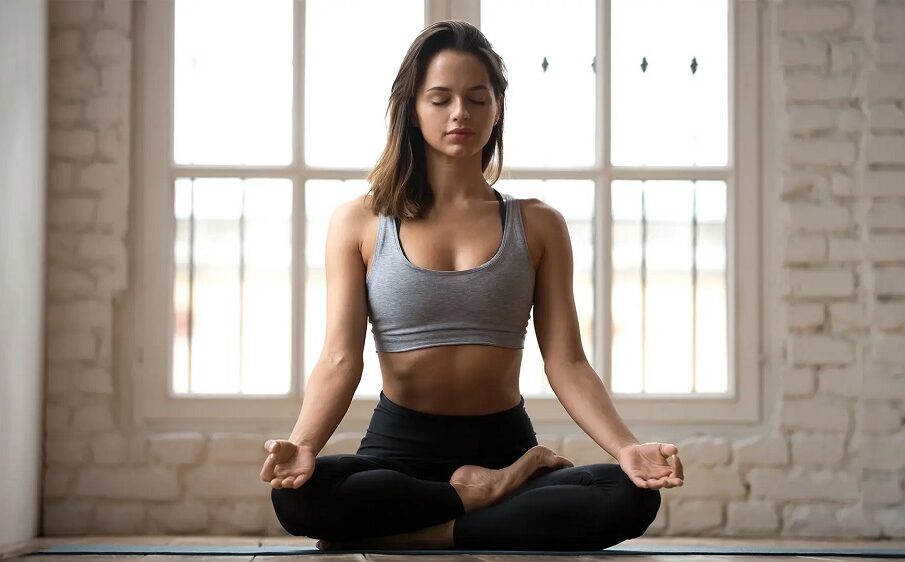
In a modern world characterized by constant connectivity, endless streams of information, and demanding personal and professional schedules, mental fatigue and emotional strain have become widespread challenges. Many individuals find themselves struggling with brain fog, difficulty maintaining concentration, chronic stress, and reactive emotional patterns. While society often points toward digital detoxes or quick-fix solutions to regain mental balance, holistic physical-mind practices offer a time-tested, sustainable alternative.
Yoga is far more than a physical workout or a sequence of flexibility exercises. At its core, traditional and modern yoga functions as a practical framework for training the mind and regulating the human nervous system. By integrating physical postures, intentional breathwork, and structured mindfulness, yoga provides a powerful, natural pathway to sharpening mental clarity and cultivating deep emotional resilience.
The Neurological Connection Between Yoga, Brain Function, and Stress
To understand how yoga transforms mental sharpness and emotional stability, it helps to examine how the mind and physical body communicate through the nervous system. The state of your mind is directly tied to the physiological environment of your body.
Regulating the Autonomic Nervous System
The autonomic nervous system is divided primarily into two branches: the sympathetic nervous system, which drives the stress response, and the parasympathetic nervous system, which governs rest, recovery, and digestion. Chronic daily stressors often lock the body into a state of continuous sympathetic dominance, elevating stress hormones such as cortisol and adrenaline.
Yoga acts as a direct regulator of this system. Through slow physical movement, conscious muscular relaxation, and deliberate breath control, yoga stimulates the vagus nerve. Vagal stimulation activates the parasympathetic response, lowering heart rate, reducing blood pressure, and signaling to the brain that the immediate environment is safe. As physiological stress diminishes, the mind naturally transitions out of reactive survival modes and into a state of calm clarity.
Enhancing Neuroplasticity and Brain-Derived Neurotrophic Factor
Regular yoga practice alters the physical architecture of the brain over time, a process known as neuroplasticity. Scientific research utilizing neuroimaging demonstrates that consistent yoga practice increases gray matter volume in regions associated with memory, attention, executive decision-making, and emotional regulation, particularly the prefrontal cortex and the hippocampus.
Furthermore, physical movement and focused breathing stimulate the production of Brain-Derived Neurotrophic Factor. This crucial protein supports the growth, maintenance, and survival of neurons, improving cognitive adaptability, learning capacity, and mental sharp-sightedness as you age.
Quieting the Default Mode Network
The Default Mode Network is a collection of interconnected brain regions that becomes active when the mind is at rest and not engaged in a specific task. While the Default Mode Network is essential for daydreaming and memory consolidation, an overactive network is heavily linked to rumination, anxiety about the future, regret over past events, and wandering thoughts.
Yoga requires focused internal awareness, forcing your brain to redirect energy away from the Default Mode Network toward task-positive networks. By anchoring your attention on physical sensations, alignment, and breath, yoga quiets mental chatter and reduces the habit of chronic overthinking.
Key Pillars of Yoga That Foster Mental Clarity
Yoga achieves its cognitive and emotional benefits through three interconnected pillars: physical postures, intentional breath control, and mindful meditation. Each pillar targets distinct aspects of cognitive functioning and emotional regulation.
Physical Postures (Asanas) for Grounding and Focus
Physical postures require active presence, balance, and spatial awareness, making it impossible to remain engaged while your mind is entirely elsewhere.
-
Standing and Balance Poses: Postures like Tree Pose, Warrior III, and Eagle Pose demand unwavering visual and physical concentration. To maintain stability on one leg, the brain must coordinate complex motor signals while suppressing mental distractions.
-
Inversions and Forward Folds: Poses like Downward-Facing Dog, Legs-Up-The-Wall, and Seated Forward Bends alter blood flow and quiet the nervous system. Downward orientation releases muscular tension in the neck and shoulders, easing physical manifestations of stress that contribute to mental fatigue.
-
Heart-Opening Extensions: Backbends like Cobra Pose or Bridge Pose counteract slouched desk posture, opening the thoracic cavity and improving respiratory capacity. Greater oxygen intake boosts daily energy levels and eliminates afternoon mental sluggishness.
Intentional Breathwork (Pranayama) for Immediate Focus
Breathing is unique because it operates automatically yet remains under your direct voluntary control. Conscious manipulation of the breath provides an immediate, on-demand tool for shifting your internal mental state.
-
Alternate Nostril Breathing: This balanced breathing technique clears mental fog and restores harmony across both brain hemispheres, making it an excellent pre-work routine to sharpen focus.
-
Extended Exhalation Breathing: Inhaling for a count of four and exhaling for a count of six or eight rapidly triggers the parasympathetic nervous system, cooling down emotional reactivity during stressful moments.
-
Diaphragmatic Deep Breathing: Deep belly breathing optimizes oxygen and carbon dioxide exchange in the lungs, delivering steady blood supply to the brain to support clear decision-making.
Mindful Meditation and Relaxation (Savasana) for Emotional Integration
Physical movement and breathwork prepare the body to sit in stillness without physical restlessness. Ending a practice with systematic relaxation allows the brain to process physical cues and consolidate neural changes.
Practicing Savasana (Corpse Pose) teaches the brain how to stay awake and mentally alert while the physical body enters complete rest. This state of restful awareness builds a buffer against daily emotional burnout.
How Yoga Cultivates Lasting Emotional Resilience
Mental clarity allows you to process information effectively, but emotional resilience dictates how you respond to life challenges, unexpected setbacks, and personal stress.
Shifting from Reactivity to Intentional Response
When faced with discomfort—such as holding a challenging pose or dealing with a difficult work conversation—the natural human inclination is to resist, tense up, or escape. Yoga creates a safe, controlled environment to observe uncomfortable physical sensations and mental resistance without immediately reacting to them.
By maintaining steady breathing while holding a demanding posture, you train your brain to stay calm under pressure. Over time, this practice rewires your automatic stress response, replacing impulsive emotional reactions with thoughtful, deliberate choices in daily life.
Developing Non-Judgmental Self-Awareness
Emotional resilience requires recognizing internal feelings without letting them control your actions. Yoga encourages an attitude of non-judgmental observation. Rather than criticizing yourself for lack of flexibility or a wandering mind, you learn to notice sensations simply as neutral data.
This shift in perspective prevents small emotional setbacks from spiraling into prolonged distress, allowing you to recover your composure quickly after encountering frustration.
Practical Steps to Integrate Yoga into a Busy Schedule
Building mental clarity and resilience through yoga does not require hours of daily practice on a mat. Consistency is far more valuable than session length.
Start with Short Daily Micro-Sessions
Committing to ten or fifteen minutes of morning movement and breathwork is far more effective for neural adaptation than attending a single ninety-minute class once a week. Short daily sessions establish a steady routine that anchors your morning.
Practice Breathwork at Your Desk
You do not need a yoga mat to utilize yoga tools. Incorporate brief two-minute breathing breaks throughout your workday, especially before high-stakes meetings or after finishing demanding tasks, to clear cognitive fatigue.
Pair Movement with Mindful Transitions
Use physical yoga stretches as a psychological boundary between your workday and personal life. A ten-minute evening sequence helps your mind transition out of work mode, promoting restorative sleep and better emotional balance for the next day.
Frequently Asked Questions
How long does it take to experience mental benefits from practicing yoga?
Many individuals experience immediate relief from stress and enhanced mental calm right after a single session. Lasting structural brain changes, including reduced baseline anxiety and sustained concentration improvements, typically emerge after four to eight weeks of regular, short daily practices.
Can yoga replace traditional therapy or psychiatric treatments for severe anxiety?
Yoga serves as an exceptional complementary practice that supports overall mental wellness, but it is not a direct replacement for professional medical treatment, counseling, or psychiatric medication. It works best when integrated alongside professional care plans to enhance stress regulation skills.
Do I need to be flexible to gain the emotional and cognitive benefits of yoga?
Physical flexibility is completely unnecessary for gaining the mental and emotional rewards of yoga. The mental benefits stem from internal focus, breathing mechanics, and nervous system regulation, not from how deeply you can fold or stretch your body.
Is dynamic style yoga or slow restorative yoga better for mental clarity?
Both styles offer complementary cognitive benefits. Dynamic practices like Vinyasa build mental stamina, focus, and energy by linking movement with breath. Restorative styles like Yin or Gentle Yoga excel at activating deep parasympathetic recovery and reducing chronic nervous system fatigue.
What is the best time of day to practice yoga for improving productivity?
Morning practice is ideal for setting an alert, clear mental tone for the workday ahead and clearing sleep inertia. However, an afternoon session can act as a powerful mental reset to eliminate mid-day brain fog, while an evening practice promotes restful sleep.
How does yoga compare to standard cardio exercises for mental health?
Cardiovascular exercises like running or cycling excel at pumping endorphins and expanding stamina, which significantly aids mood. Yoga uniquely combines physical loading with deliberate breath control, interoceptive awareness, and stress response training, offering more direct tools for emotional regulation and quiet mental focus.
Why do emotional feelings sometimes surface during deep physical yoga stretches?
Connective tissues and chronic muscle tension often hold unconscious physical stress patterns. Deeply stretching areas like the hips and chest releases long-held muscular tightness, which can occasionally trigger a safe, natural emotional release as your nervous system lets go of stored tension.