How Yoga Helps Improve Recovery and Reduce Physical Stiffness Naturally
Physical stiffness, muscular soreness, and prolonged recovery times are common obstacles for athletes, fitness enthusiasts, and individuals with sedentary lifestyles alike. Heavy resistance training, high-impact cardiovascular exercise, and extended periods sitting at a desk all place unique stresses on the human body. Over time, these demands cause micro-tears in muscle fibers, accumulate metabolic waste products, and shorten connective tissues. Left unaddressed, physical tightness limits functional range of motion, degrades movement efficiency, and increases the risk of acute and chronic injuries.
While passive rest is essential, complete immobility is rarely the fastest or most effective path to physical restoration. Active recovery through yoga offers a proven, natural methodology to accelerate tissue repair, clear muscular tension, and restore fluid joint mobility. By combining low-intensity dynamic movement, sustained passive stretching, targeted breathwork, and conscious relaxation, yoga addresses physical stiffness at its biological roots.
The Physiology of Physical Stiffness and Tissue Recovery
To understand why yoga is uniquely suited for recovery, it helps to look at what happens inside muscles and joint structures following intense activity or prolonged physical stasis.
Accelerating Nutrient Delivery and Metabolic Clearance
When muscles undergo strenuous exertion, microscopic damage occurs within the muscle fibers, triggering a localized inflammatory response. This inflammation is a normal component of tissue repair, but it brings fluid retention, swelling, and Delayed Onset Muscle Soreness. Furthermore, sedentary posture restricts localized circulation, allowing metabolic byproducts to linger while reducing the delivery of oxygen and repair nutrients.
Yoga overcomes these issues through gentle, rhythmic muscle contractions and low-impact range-of-motion patterns. Pumping action from fluid transitions increases systemic arterial blood flow without adding central nervous system fatigue. Enhanced circulation flushes out cellular debris while flooding damaged soft tissues with amino acids, glucose, and fresh oxygen required for tissue repair.
Restoring Fascial Hydration and Elasticity
Fascia is the continuous matrix of collagenous connective tissue that wraps around individual muscle fibers, groups of muscles, blood vessels, and nerves. When exposed to repetitive movement patterns or long periods of immobility, fascia loses its natural water content and forms micro-adhesions, sticking together like unlubricated layers of plastic wrap. This fascial restriction is a major driver of chronic physical stiffness.
Yoga applies multidirectional, sustained tension across entire fascial lines. Holding yoga postures gently pulls on these connective networks, stimulating a process called gel-to-sol transformation. The tissue reabsorbs fluid, breaks up cross-linked adhesions, and restores gliding capacity between muscle layers, leaving you feeling limber and supple.
Downregulating Baseline Muscular Tone
Muscles do not operate in isolation; they are governed entirely by the central nervous system. Under conditions of physical exhaustion, mental stress, or structural pain, the nervous system keeps baseline muscular tone elevated as a protective strategy known as muscle guarding.
Yoga utilizes deep diaphragmatic breathing to stimulate the vagus nerve and activate the parasympathetic nervous system. Shifting into this rest-and-digest state lowers heart rate, reduces circulating stress hormones, and sends safety signals directly to the brain. Once the brain perceives that the body is safe, it turns down baseline muscular tension, allowing guarded, stiff muscles to relax completely.
Key Yoga Postures for Accelerating Physical Recovery
Integrating specific yoga postures into a recovery routine targets common areas of stiffness, including the lower back, hips, hamstrings, shoulders, and spine.
Opening Tight Hips and Lower Back
The hip complex contains dense muscle structures and heavy connective tissue that easily tighten after prolonged sitting or intense lower-body workouts like running and squatting.
-
Anjaneyasana (Low Lunge): Dropping one knee to the floor while stepping the other foot forward creates a deep, controlled stretch across the hip flexors and rectus femoris of the back leg. Extending the hips relieves anterior pelvic tilt and takes stress off the lumbar spine.
-
Eka Pada Rajakapotasana (Pigeon Pose): Crossing the front leg over while extending the back leg long targets the deep hip rotators, gluteus medius, and piriformis. Releasing tightness in these external rotators decreases sciatic nerve compression and alleviates lower back stiffness.
-
Supta Matsyendrasana (Supine Spinal Twist): Lying flat on the back and gently dropping the knees to one side rotates the spine safely. This twisting motion decompresses intervertebral discs, stretches the quadratus lumborum, and releases tension across the chest and shoulders.
Releasing Hamstrings and the Posterior Chain
Tight hamstrings pull down on the sit bones, flattening the natural curve of the lower back and contributing to postural imbalances during basic movements like walking and bending over.
-
Adho Mukha Svanasana (Downward-Facing Dog): Inverted positioning stretches the entire posterior chain simultaneously, including the arches of the feet, Achilles tendons, calves, hamstrings, and lower back muscles, while gently tractioning the spine.
-
Uttanasana (Standing Forward Fold): Hinged at the hips with a gentle bend in the knees, allowing gravity to pull the torso toward the floor releases tension in the hamstrings and unloads the upper and lower back without requiring active muscle force.
Unwinding Shoulder, Neck, and Chest Tension
Slouched desk posture and heavy pushing movements shorten the chest muscles and overstretch the upper back, leading to tight shoulders and neck stiffness.
-
Bhujangasana (Cobra Pose): Lying face down and gently lifting the chest using the back muscles opens the thoracic spine, stretches the abdominal wall, and expands the pectoral muscles, countering slouched daily posture.
-
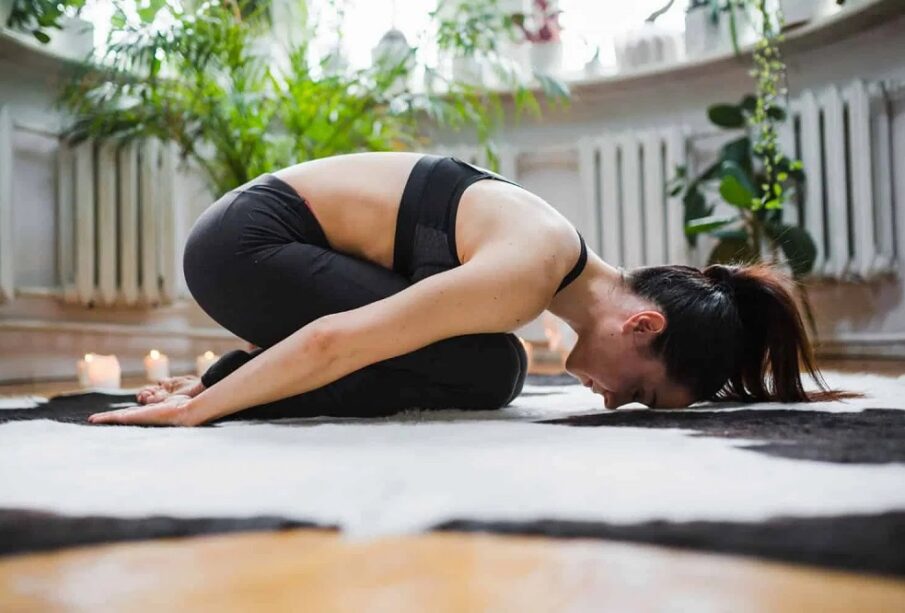
Puppy Pose (Uttana Shishosana): Keeping the hips stacked over the knees while walking the hands forward stretches the latissimus dorsi, shoulders, and upper back, creating space in the thoracic region without placing stress on the lower back.
Practical Strategies for Integrating Recovery Yoga
To maximize the physical recovery benefits of yoga, it is essential to tailor your approach to timing, intensity, and personal capacity.
Distinguishing Between Dynamic and Passive Practices
Use dynamic, gentle yoga flows immediately following a workout or during active recovery days to keep blood moving through warm muscles. Use passive, fully supported practices like Restorative or Yin yoga in the evening to prepare the nervous system for deep, regenerative sleep, which is when the vast majority of cellular tissue repair occurs.
Utilizing Supportive Props for Complete Relaxation
Never force your body into a posture during a recovery session. Using props such as foam blocks, bolsters, folded blankets, and yoga straps brings the floor to your body. Props eliminate muscle guarding by providing total physical support, allowing soft tissue to yield without triggering defensive muscle spasms.
Matching Breath to Movement
Always maintain smooth, steady nasal breathing during recovery practices. Inhale to create space and length within the body, and exhale to release muscular effort into the stretch. If your breath becomes jagged, shallow, or held, your body is sensing danger; scale back the intensity of the pose until normal breathing resumes.
Frequently Asked Questions
Is yoga better than passive rest for recovering from intense exercise?
Active recovery through gentle yoga is often far more effective than complete passive rest for reducing muscle stiffness. While passive rest allows energy stores to replenish, light movement increases blood flow, accelerates the removal of metabolic waste, and prevents tissues from setting into tight, restrictive patterns.
Should I do recovery yoga immediately after a workout or on rest days?
Both timings offer unique benefits. Spending 10 to 15 minutes practicing gentle, dynamic yoga right after a workout helps cool down the cardiovascular system and keeps warm muscles from shortening as they cool. Practicing longer, passive sessions on dedicated rest days promotes deeper fascial remodeling and nervous system recovery.
How often should I practice yoga to see noticeable reductions in physical stiffness?
Practicing short 15-to-20-minute recovery sessions three to four times a week delivers consistent, noticeable reductions in daily stiffness. Consistency is far more beneficial for connective tissue remodeling and nervous system adaptation than doing a single long session once a week.
Can yoga help heal delayed onset muscle soreness faster?
Yoga does not instantly erase delayed onset muscle soreness, as damaged muscle fibers require time to repair naturally. However, gentle movement increases blood flow, which delivers oxygen and nutrients to damaged cells, significantly dulling the sensation of soreness and keeping your joints mobile while you recover.
What is the difference between active stretching and passive stretching in yoga?
Active stretching involves contracting one muscle group to stretch another, such as engaging the quadriceps to lengthen the hamstrings in a standing pose. Passive stretching relies on gravity, body weight, or props to hold a position without active muscular effort, making passive stretching ideal for deep recovery and nervous system relaxation.
How do I know if I am pushing too hard during a recovery yoga practice?
During a recovery practice, you should feel a gentle, dull sensation of release across the target muscle belly. If you experience sharp, pinching, throbbing, or localized pain near a joint, or if you catch yourself holding your breath, you have gone past the edge of safe stretching and should back off immediately.