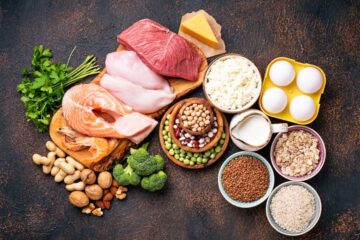
The Role of Nutrition in Effective Weight Loss

Achieving meaningful, long-term weight loss remains one of the most common health goals worldwide. While physical activity, sleep hygiene, and stress management play essential supporting roles, nutrition stands as the foundational pillar of any successful body re-composition journey. The phrase “you cannot out-train a bad diet” reflects a basic biological truth: exercise burns calories, but dietary choices dictate your overall metabolic environment, energy balance, and hormonal health.
Understanding the direct connection between nutritional intake and human physiology allows you to approach weight management with clarity rather than relying on extreme restrictions. By focusing on energy balance, macronutrient distribution, micronutrient density, and behavioral sustainability, you can build a diet that reduces body fat while preserving lean muscle mass and supporting vitality.
Energy Balance and the Physiology of Weight Loss
At its fundamental level, body weight regulation relies on the law of thermodynamics. Energy enters the body through food and beverage consumption and leaves through basal metabolic rate, the thermic effect of food, and physical movement.
Understanding the Caloric Deficit
A caloric deficit occurs when total energy expenditure exceeds total energy intake over a sustained period. When your body lacks sufficient energy from food to cover its immediate requirements, it draws upon stored energy reserves, primarily adipose tissue.
Creating a moderate deficit—typically 300 to 500 calories below daily maintenance needs—allows for steady, predictable fat loss without triggering severe compensatory hunger or metabolic slowdown. Drastic caloric cuts, while enticing for rapid scale changes, often lead to muscle wasting, lethargy, and eventual rebound weight gain.
Metabolic Adaptation and Energy Expenditure
As body weight decreases, total daily energy expenditure naturally declines. A smaller body requires less energy to move and function, a process known as adaptive thermogenesis.
Nutrition plays a crucial role in mitigating this slowdown. Consuming adequate protein, maintaining adequate carbohydrate levels for thyroid function, and scheduling periodic controlled energy adjustments can preserve metabolic health during extended weight loss phases.
The Strategic Importance of Macronutrients
Calories determine how much weight you lose, but macronutrient distribution determines what kind of weight you lose. Balancing protein, carbohydrates, and dietary fats ensures that energy deficits draw from stored body fat rather than functional lean muscle tissue.
Protein: The Essential Building Block for Fat Loss
Protein is arguably the most vital macronutrient during an energy deficit. It serves three distinct functions that accelerate progress and improve adherence.
-
Preserving Lean Muscle: In a calorie deficit, the body breaks down endogenous tissues for fuel. High protein intake signals the body to preserve lean muscle, ensuring that the majority of weight lost comes from stored fat.
-
Maximizing Satiety: Protein stimulates the release of satiety hormones like peptide YY and glucagon-like peptide-1 while suppressing ghrelin, the primary hunger hormone. This chemical cascade keeps hunger manageable.
-
High Thermic Cost: Digesting protein requires significant energy. Approximately 20 to 30 percent of the calories consumed from protein are burned during the digestion and assimilation process alone.
Carbohydrates: Fueling Energy and Performance
Carbohydrates are often unfairly vilified in popular fitness culture, yet they serve as the primary fuel source for intense physical performance and central nervous system function.
Choosing complex carbohydrates rich in dietary fiber—such as whole grains, legumes, oats, and root vegetables—provides a slow, steady release of glucose into the bloodstream. This prevents sharp insulin spikes, minimizes energy crashes, and supports workouts that preserve lean muscle tissue.
Healthy Fats: Supporting Hormonal Balance
Dietary fats are critical for health, functioning as essential structural components of cell membranes and precursors for key hormones, including testosterone and estrogen.
Extremely low-fat diets can lead to hormonal imbalances, dry skin, poor nutrient absorption, and elevated stress levels. Incorporating healthy unsaturated fats from sources like olive oil, avocados, nuts, seeds, and fatty fish supports overall metabolic function while adding richness and satisfaction to daily meals.
Micronutrients, Fiber, and Gut Health
Beyond broad calorie and macronutrient targets, the quality of food choices significantly impacts how the body functions during a weight loss phase.
Fiber for Appetite Control and Gut Microbiome
Dietary fiber, particularly soluble fiber, absorbs water in the digestive tract, forming a gel-like matrix that slows stomach emptying. This physical delay maintains physical fullness long after a meal concludes.
Furthermore, fiber acts as a prebiotic, feeding beneficial gut bacteria. A healthy, diverse gut microbiome regulates systemic inflammation, improves insulin sensitivity, and plays a direct role in regulating appetite and energy storage.
Micronutrient Density and Energy Levels
When overall food intake decreases, the risk of developing micronutrient deficiencies increases. Essential vitamins and minerals—such as iron, magnesium, vitamin D, and B-complex vitamins—act as crucial cofactors in cellular energy production and metabolic processing.
Focusing on volume-dense, nutrient-rich foods like leafy greens, colorful vegetables, berries, and lean proteins ensures your body receives necessary micronutrients despite receiving fewer total calories.
Practical Nutritional Strategies for Sustainable Results
Knowledge alone does not transform health; daily implementation does. Structuring your dietary approach around practical, sustainable habits ensures long-term consistency.
Meal Pre-Planning and Environmental Design
Relying purely on willpower when hungry often leads to ultra-processed, calorie-dense food choices. Pre-planning meals or preparing versatile staple ingredients in advance establishes an environment where healthy choices are the path of least resistance.
Filling your kitchen with whole, minimally processed ingredients reduces temptation and simplifies meal creation during busy or stressful days.
Mindful Eating and Hunger Recognition
Modern environments are filled with external cues to eat, from targeted food advertising to social gatherings. Practicing mindful eating involves slowing down during meals, eliminating screens, and paying attention to physical signals of fullness.
Learning to distinguish emotional cravings from true physical hunger helps prevent mindless calorie consumption while fostering a healthier relationship with food.
Managing Flexibility and Social Consistency
Rigid, perfectionist approaches to diet often fail when real-life events disrupt normal schedules. Adopting a flexible mindset allows you to enjoy dining out, celebrations, and traveling without abandoning your long-term goals.
Focusing on long-term consistency rather than short-term perfection prevents the all-or-nothing mindset that causes minor dietary slip-ups to turn into prolonged setbacks.
Frequently Asked Questions
Is a low-carbohydrate or low-fat diet better for weight loss?
Research consistently shows that both low-carbohydrate and low-fat diets are equally effective for fat loss, provided that total calorie intake and protein levels are kept equal. The best approach is whichever pattern you can stick to consistently, fits your food preferences, and provides sustained daily energy.
How does drinking water contribute to weight loss?
Water supports weight loss in several ways. Drinking water before meals can increase feelings of fullness, reducing overall calorie intake. Proper hydration is also required for optimal kidney function and efficient metabolic processing of stored fats. Additionally, mild dehydration is frequently mistaken for physical hunger.
Can skipping meals help speed up fat loss?
Skipping meals creates a short-term calorie restriction, but it does not inherently speed up fat loss beyond the caloric deficit it creates. For some individuals, skipping meals leads to excessive hunger later in the day, resulting in overeating or poor food choices that offset any previous calorie savings.
Why does weight loss slow down after the first few weeks of a diet?
Initial rapid weight loss often includes a significant drop in stored water weight alongside glycogen depletion. As these initial water stores stabilize, fat loss continues at a slower, more realistic rate. Additionally, as your body grows smaller, your metabolic rate drops slightly, decreasing daily energy burn.
Are artificial sweeteners harmful during a weight loss journey?
Non-nutritive, zero-calorie artificial sweeteners can be helpful tools for reducing sugar and total calorie intake without sacrificing sweet flavors. Current scientific evidence indicates they are safe for the general population when consumed within established intake guidelines, though individual digestive tolerance may vary.
How does alcohol consumption impact weight loss efforts?
Alcohol hinders weight loss in multiple ways. It contains seven calories per gram with zero essential nutrients. When consumed, the liver prioritizes metabolizing alcohol over processing fats and carbohydrates, temporarily slowing fat oxidation. Alcohol also lowers inhibitions, often leading to increased intake of high-calorie foods.
How long should I remain in a calorie deficit before taking a break?
It is generally recommended to remain in a continuous calorie deficit for no longer than 12 to 16 weeks at a time. Taking a planned one-to-two-week diet break at maintenance calorie levels helps restore hormone balance, alleviates psychological fatigue, and helps preserve metabolic rate before resuming a deficit.