High-Protein Foods That Help with Weight Loss
When it comes to achieving sustainable fat loss, protein stands out as the single most critical macronutrient. While many popular diets focus on cutting out specific food groups or drastically reducing calories, prioritizing high-protein foods shifts the focus toward nourishing your body. Incorporating adequate protein into your daily meals creates a physiological environment that favors fat loss while keeping your metabolism elevated and your appetite under control.
Understanding which protein sources deliver the highest nutritional value can completely transform your approach to weight management. By filling your plate with nutrient-dense, high-protein options, you can make weight loss feel manageable and sustainable rather than restrictive.
The Biological Mechanisms of Protein in Weight Loss
To appreciate why high-protein foods are so effective for weight loss, it helps to examine how protein interacts with your digestive system, hormones, and metabolism.
Superior Satiety and Hormone Regulation
Protein affects your body’s hunger signals more powerfully than either carbohydrates or fats. Consuming protein reduces circulating levels of ghrelin, often referred to as the hunger hormone, while stimulating the production of appetite-suppressing hormones like peptide YY and glucagon-like peptide-1. This hormonal shift signals to your brain that you are satisfied, reducing spontaneous snacking and curbing late-night cravings.
High Thermic Effect of Food
Digestive processes require energy, a phenomenon known as the thermic effect of food. Protein has a significantly higher thermic effect compared to other macronutrients. Your body expends roughly twenty to thirty percent of the energy consumed from protein simply digesting, absorbing, and processing its amino acids. In contrast, carbohydrates require five to ten percent, and fats require only zero to three percent. This elevated energy cost effectively boosts your daily calorie burn.
Preservation of Lean Muscle Mass
When you maintain a caloric deficit to lose weight, your body naturally breaks down both body fat and muscle tissue for energy. Losing muscle lowers your resting metabolic rate, making long-term weight maintenance difficult. High-protein intake provides the necessary amino acids to stimulate muscle protein synthesis, preserving your lean tissue so that the weight you lose comes predominantly from fat stores.
Animal-Based High-Protein Foods for Weight Loss
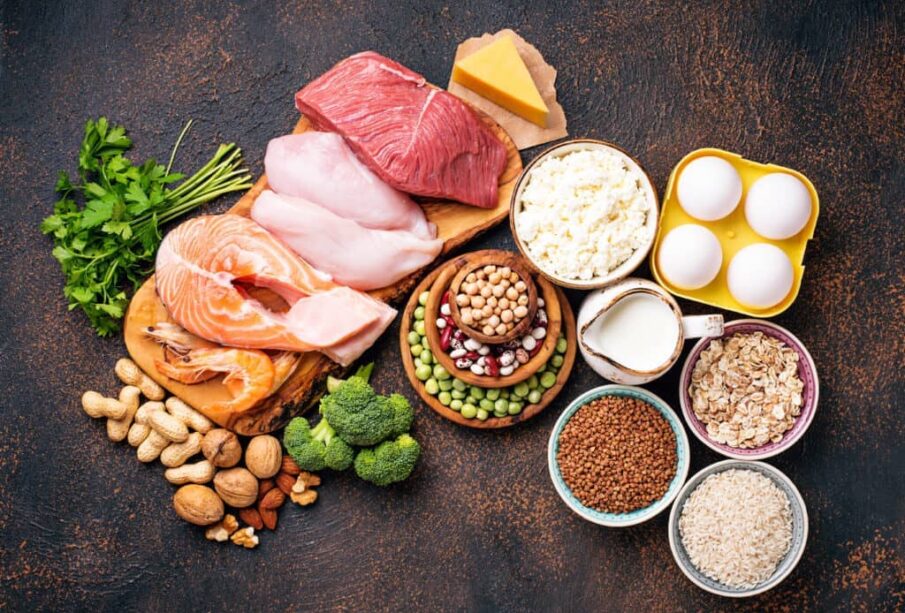
Animal proteins are complete protein sources, meaning they contain all nine essential amino acids in proportions optimal for human health and muscle repair.
Lean Poultry and Red Meats
Lean meats offer an exceptionally high ratio of protein to total calories, making them staple choices for structured fat loss diets.
-
Boneless, Skinless Chicken Breast: Providing roughly thirty-one grams of protein per three-and-a-half-ounce serving with minimal dietary fat, chicken breast remains one of the most versatile and protein-dense foods available.
-
Turkey Breast: Similar to chicken, turkey breast offers lean, high-quality protein packed with B vitamins and selenium, supporting metabolic function without excess calories.
-
Lean Beef Cuts: Opting for lean cuts such as sirloin, eye of round, or 93 percent lean ground beef supplies substantial protein along with highly bioavailable heme iron, zinc, and vitamin B12.
Seafood and Fish
Seafood provides essential fats and micronutrients alongside lean protein, supporting cardiovascular and cognitive health during weight loss.
-
Wild Salmon: While higher in fat than white fish, salmon provides abundant omega-3 fatty acids, which help lower systemic inflammation and support metabolic efficiency, alongside twenty grams of protein per serving.
-
Cod and Halibut: These white fish varieties are extremely low in calories while delivering high amounts of pure protein, allowing you to consume larger, highly satiating volumes of food.
-
Canned Tuna: Canned light or albacore tuna packed in water offers an affordable, convenient, shelf-stable protein source that delivers over twenty-five grams of protein per can.
Dairy and Egg Products
Dairy foods and eggs provide slow-digesting proteins that keep you full across long stretches between meals.
-
Greek Yogurt: Traditional Greek yogurt undergoes a straining process that removes liquid whey, resulting in double the protein content of standard yogurt. Plain, non-fat or low-fat options deliver up to seventeen grams of protein per six-ounce container.
-
Cottage Cheese: Packed with casein protein, cottage cheese digests slowly over several hours, making it an excellent late-evening snack to prevent nighttime hunger and support overnight muscle recovery.
-
Whole Eggs and Egg Whites: Eggs contain high-quality protein alongside choline and healthy fats. Combining whole eggs with additional egg whites increases total protein volume while keeping dietary calories controlled.
Plant-Based High-Protein Foods for Weight Loss
Plant-based protein sources offer the added benefit of dietary fiber, combining satiating macronutrients to support digestive health and weight management.
Legumes and Pulses
Beans and lentils provide a powerful combination of complex carbohydrates, soluble fiber, and plant protein.
-
Lentils: Offering eighteen grams of protein and fifteen grams of fiber per cooked cup, lentils digest slowly, preventing rapid blood sugar spikes and promoting long-lasting fullness.
-
Black Beans and Chickpeas: These pulses provide roughly fifteen grams of protein per cup alongside abundant prebiotic fiber that feeds beneficial gut bacteria, supporting digestive and metabolic health.
Soy Products
Soy stands out as one of the few complete plant-based protein options, making it a valuable foundation for vegetarian and vegan diets.
-
Firm Tofu: Pressed soybean curds absorb flavors easily and provide around fifteen grams of protein per three-and-a-half-ounce serving, with minimal carbohydrates.
-
Tempeh: Made from fermented whole soybeans, tempeh is denser than tofu, delivering over twenty grams of protein per serving along with natural probiotics for gut health.
-
Edamame: Whole, immature soybeans served in or out of the pod make a convenient snack, supplying seventeen grams of plant protein per cup.
Practical Tips to Increase Daily Protein Intake
Knowing which foods are high in protein is only the first step. Incorporating them consistently into your routine ensures long-term success.
Anchor Every Meal Around a Protein Source
When planning your daily menu, start by choosing your protein source for each meal before adding side items or condiments. Ensuring each main meal contains twenty-five to forty grams of protein optimizes muscle protein synthesis and keeps hunger at bay throughout the entire day.
Swap Low-Protein Snacks for Protein-Dense Alternatives
Replace high-carbohydrate or high-fat snacks like chips, crackers, and pastries with protein-rich alternatives. Keeping hard-boiled eggs, single-serve Greek yogurt cups, low-sodium turkey jerky, or edamame readily available makes reaching your daily protein targets effortless.
Frequently Asked Questions
Can eating too much protein prevent weight loss?
Protein contains four calories per gram, just like carbohydrates. Consuming protein in quantities that push your total daily caloric intake above your maintenance level will result in weight gain or a plateau. While protein is highly satiating and thermally active, total daily energy balance remains the fundamental driver of weight loss.
Is protein powder necessary for weight loss?
Protein powders are not required for weight loss, as you can easily meet your nutrition targets through whole food sources alone. However, protein supplements offer a convenient, low-calorie way to reach daily targets when busy schedules make cooking full meals difficult.
How much protein should I eat per day to lose weight?
A widely accepted guideline for individuals engaged in weight loss and regular exercise is 0.7 to 1.0 grams of protein per pound of target body weight daily. This range supports satiety, boosts thermogenesis, and protects lean muscle tissue during a calorie deficit.
Does high protein intake cause damage to healthy kidneys?
In individuals with healthy, fully functioning kidneys, high-protein diets have been consistently shown in scientific studies to be safe. However, individuals with pre-existing renal conditions or kidney disease should consult a medical professional before significantly increasing their protein intake.
Which high-protein foods are best for eating before bed?
Proteins rich in casein, such as cottage cheese or Greek yogurt, are ideal before sleep. Casein digests slowly over several hours, providing a steady release of amino acids to muscle tissue throughout the night while preventing midnight hunger pangs.
How can vegetarians get enough protein for weight loss without overconsuming carbohydrates?
Vegetarians can maximize their protein-to-carbohydrate ratio by emphasizing foods like Greek yogurt, eggs, cottage cheese, firm tofu, tempeh, edamame, and high-quality plant-based protein powders, while balancing their intake of fiber-rich beans and lentils.