
Guide to Enhancing Efficiency with Quality Dental Components
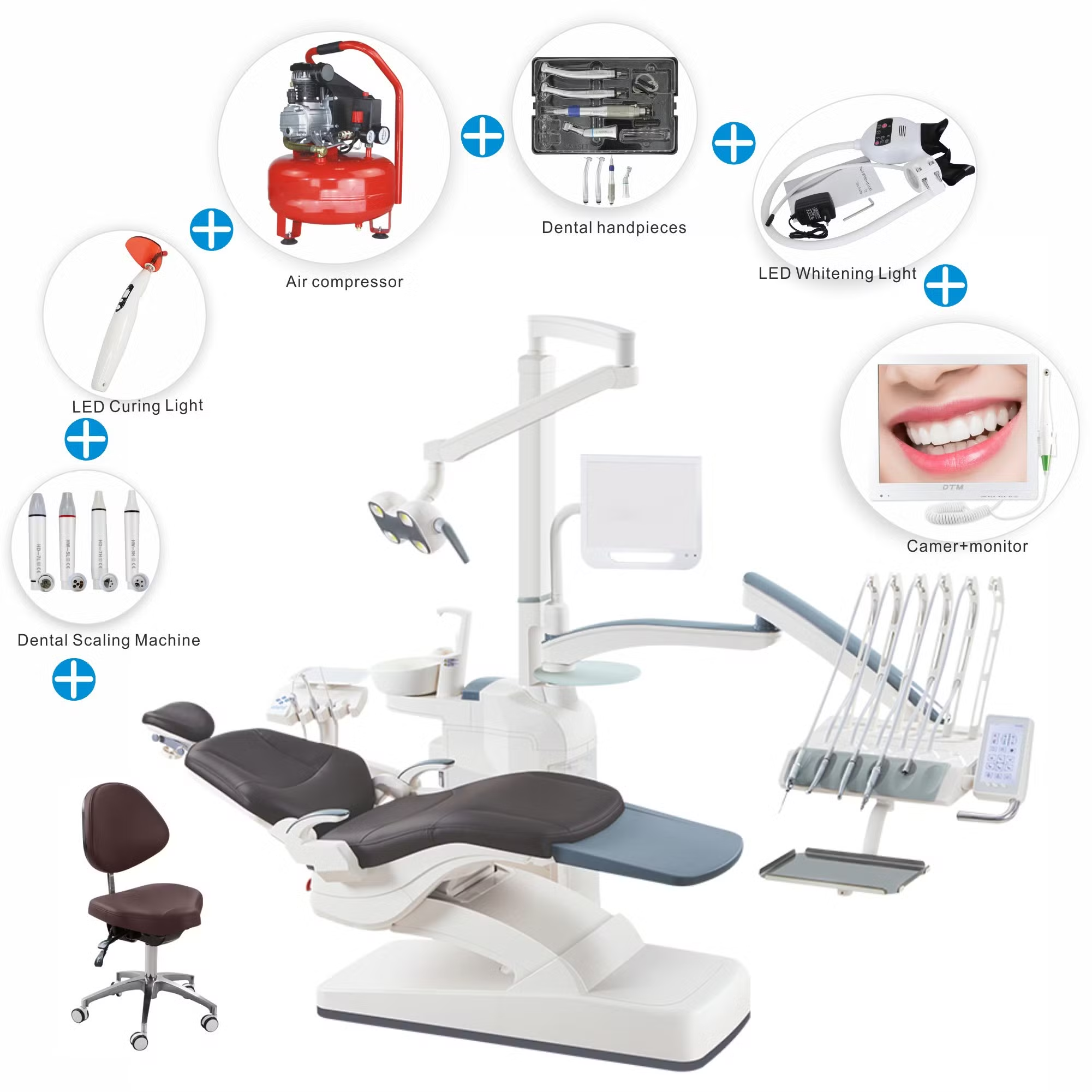
In today’s fast-paced dental practices, the reliability of dental chair components plays a pivotal role in maintaining smooth operations and ensuring patient satisfaction. Many distributors face mounting challenges when unreliable components lead to unexpected downtime, emergency service calls, and frustrated clients. The strategic selection of quality dental components directly impacts not only operational efficiency but also the bottom line for equipment distributors.
By focusing on self-developed parts, implementing rigorous quality control measures, and establishing intelligent sourcing partnerships, distributors can significantly enhance their service offerings and maintain a competitive edge. This guide explores how thoughtful component selection and management can transform challenges into opportunities for dental equipment distributors while ensuring consistent performance and long-term value for their clients.
Core Dental Chair Components: Anatomy of Efficiency
Understanding the critical components of dental chairs reveals how each element contributes to practice efficiency and patient care quality. The hydraulic system forms the foundation, controlling smooth height adjustments and positioning while supporting up to 450 pounds safely. This system must operate silently and precisely to maintain patient comfort and practitioner ergonomics. Articulating arms represent another vital component, supporting delivery systems and monitors while enabling swift, precise movements that reduce procedure times and practitioner strain. These arms require consistent tension maintenance and precise balance to prevent drift or instability during procedures.
Control panels serve as the command center, integrating chair movements, water systems, and instrument functions. Modern panels feature intuitive interfaces that minimize learning curves for staff and reduce operation errors. The durability of these core components directly impacts a practice’s ability to maintain consistent patient scheduling. When any component fails, it creates a domino effect – forcing appointment cancellations, increasing maintenance costs, and potentially compromising patient care quality. Practices typically lose $2,000-4,000 per day in revenue during equipment downtime, making component reliability essential for maintaining profitable operations.
Self-Developed Components: Your Competitive Advantage
Self-developed components represent dental equipment parts engineered and manufactured in-house by specialized manufacturers, rather than sourced from third-party suppliers. This approach delivers significant advantages for dental equipment distributors seeking to differentiate their offerings. These proprietary components are specifically designed to address common workflow bottlenecks in dental practices, such as chair positioning limitations or delivery system restrictions.
For example, manufacturers like FSRoson developing their own hydraulic systems can optimize pressure control and movement patterns based on direct practitioner feedback, resulting in smoother operations and reduced maintenance needs. One notable case study involves a California-based dental group that reduced chair downtime by 60% after switching to equipment with self-developed articulating arms, which featured enhanced durability and more precise movement control.
Another success story comes from a Florida practice that improved procedure completion times by 15% using chairs with custom-engineered delivery systems designed for their specific workflow requirements. For distributors, offering equipment with self-developed components provides unique selling propositions, as these parts often incorporate innovative features not available in standard components.
This exclusivity helps distributors address specific client needs while maintaining higher margins and building stronger client relationships through superior product performance. Additionally, direct access to the component manufacturer ensures faster problem resolution and more reliable technical support compared to equipment assembled from various third-party sources.
Quality Control: The Non-Negotiable for Reliable Equipment
Poor quality dental chair components pose significant risks that extend beyond immediate equipment failures. When components fail, practices face extended downtime periods that can cost thousands in lost revenue and damage relationships with patients. Quality control must focus on critical stress points like load-bearing mechanisms, electrical connections, and hydraulic systems.
Leading manufacturers implement comprehensive testing protocols including accelerated life cycle testing, which simulates years of usage under varied conditions. These tests should include minimum standards of 20,000 cycles for chair movements and 50,000 activations for switch mechanisms. Distributors should require detailed documentation of quality control measures, including material certificates, batch testing results, and full component traceability from raw materials through assembly.
Essential quality benchmarks include zero-defect manufacturing processes, statistical process control monitoring, and regular calibration of testing equipment. Each component batch should undergo both automated and manual inspection processes, with particular attention to safety-critical parts like patient support systems and mechanical stops.
Modern quality control systems also integrate real-time monitoring capabilities, allowing manufacturers to identify and address potential issues before components leave the facility. This proactive approach significantly reduces the risk of field failures and ensures consistent performance throughout the equipment’s lifecycle.
Sourcing Solutions for High-Performance Components
Identifying Manufacturers with Self-Developed Capabilities
When evaluating manufacturers with self-developed capabilities, distributors should examine their engineering expertise through detailed technical interviews and facility tours. Look for dedicated R&D departments with proven track records of component innovation and multiple design patents.
Request documentation of their engineering team’s qualifications and verify their experience in dental equipment design. Key questions should address their component development process, testing methodologies, and how they incorporate practitioner feedback into design improvements.
Evaluating Quality Control Systems
Factory audits must verify ISO 13485 certification and examine quality control infrastructure. Essential checkpoints include automated testing equipment calibration records, statistical process control implementation, and material testing laboratories. Quality systems should demonstrate complete traceability from raw material sourcing through final assembly, with documented batch testing procedures and failure analysis protocols. Regular third-party audits and certification maintenance provide additional verification of quality standards adherence.
Building Efficient Supply Partnerships
Successful component sourcing relationships require clear service level agreements that specify reliability standards, failure rates, and warranty terms. Establish metrics for component life expectancy and define acceptable performance parameters. Implement just-in-time inventory systems through integrated supply chain management platforms, maintaining optimal stock levels while reducing carrying costs.
Develop contingency plans with manufacturers for emergency component needs and establish priority fulfillment protocols for critical replacement parts. Regular performance reviews and quarterly business planning sessions ensure continuous improvement in supply chain efficiency and component quality.
Maximizing Dental Equipment Performance Through Strategic Component Management
The strategic selection and management of dental chair components represents a critical differentiator for equipment distributors in today’s competitive market. By prioritizing self-developed components, distributors gain access to unique technological advantages and customization options that directly address their clients’ specific workflow challenges. Rigorous quality control measures, from comprehensive testing protocols to detailed documentation requirements, ensure consistent performance and minimize costly downtime for dental practices. Through careful evaluation of manufacturing partners and the implementation of efficient supply chain strategies, distributors can build a robust component sourcing framework that delivers lasting value. Moving forward, success in the dental equipment distribution space will increasingly depend on the ability to offer reliable, innovative components that enhance practice efficiency while providing measurable returns on investment. Take action today by reviewing your current sourcing practices against the framework outlined in this guide, and begin implementing changes that will strengthen your competitive position through superior component quality and performance.