The Elegance of Movement: Why Exercise Is the Keystone of a Balanced Life

Introduction: Reclaiming the Joy of Physical Vitality
In an age where convenience is often prioritized over movement, and screens overtake sidewalks, the ancient art of exercise has never been more essential. Once a natural part of daily life, physical activity has evolved into something we must now deliberately schedule, encourage, and embrace. But exercise is not merely a means to sculpt the body or lose weight—it is a profound expression of self-respect, discipline, and holistic well-being.
For many, the idea of exercise conjures images of monotonous treadmill sessions or exhausting boot camps. In truth, exercise, when approached mindfully and individually, is a highly personal and empowering journey. It improves far more than physical health; it elevates mental clarity, emotional stability, and even spiritual resilience. This article explores the multifaceted benefits of regular physical activity, the science that supports it, and how to build a sustainable, joyful relationship with movement.
Understanding Exercise: More Than a Fitness Regimen
Exercise encompasses a broad range of physical activities aimed at improving or maintaining overall health. It can be divided into several main categories:
-
Aerobic (Cardio): Activities like running, cycling, or swimming that elevate heart rate and improve cardiovascular health.
-
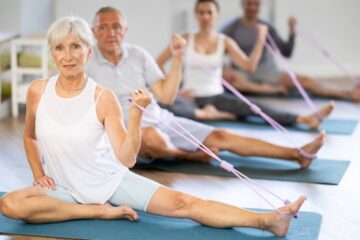
Strength Training: Exercises such as weightlifting, resistance bands, or bodyweight workouts that build muscle and bone density.
-
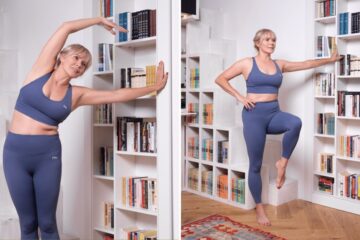
Flexibility and Mobility: Movements like stretching, yoga, or Pilates that enhance range of motion and reduce injury risk.
-
Balance and Coordination: Often incorporated through tai chi, functional fitness, or sports drills to improve stability and body control.
The beauty of exercise lies in its adaptability. It is not confined to gyms or structured routines. Gardening, hiking, dancing, or even brisk walking all contribute meaningfully to a physically active lifestyle.
The Science of Movement: What Happens to the Body?
When we exercise, a series of physiological changes unfold, many of which occur almost immediately:
-
Heart Rate Increases: Blood circulates more efficiently, delivering oxygen and nutrients to tissues.
-
Endorphin Release: These “feel-good” hormones reduce pain and enhance mood.
-
Improved Insulin Sensitivity: Muscles absorb glucose more effectively, which helps regulate blood sugar levels.
-
Neurogenesis and Brain Function: Physical activity boosts the production of brain-derived neurotrophic factor (BDNF), enhancing memory and cognitive function.
Over time, these changes accumulate, resulting in long-term health benefits that extend well beyond the gym.
The Tangible Benefits of Regular Exercise
1. Physical Health and Disease Prevention
-
Heart Health: Reduces the risk of heart disease, stroke, and high blood pressure.
-
Weight Management: Helps maintain a healthy weight and reduces visceral fat.
-
Stronger Bones and Muscles: Prevents osteoporosis and sarcopenia, especially as we age.
-
Enhanced Immunity: Regular moderate exercise supports a stronger immune response.
2. Mental Clarity and Emotional Well-being
-
Reduced Anxiety and Depression: Regular movement is as effective as medication in mild to moderate cases.
-
Sharper Cognition: Improves attention span, creativity, and decision-making.
-
Stress Reduction: Physical activity regulates cortisol levels and provides a natural outlet for tension.
3. Longevity and Aging Gracefully
-
People who exercise regularly tend to live longer, healthier lives.
-
Maintains mobility and independence in older adults.
-
Reduces the risk of dementia and cognitive decline.
Finding Your Movement Style: Customizing Your Routine
Not everyone enjoys lifting weights or running marathons—and that’s perfectly acceptable. The key to long-term consistency is finding movement you enjoy, and aligning it with your goals and lifestyle.
Consider these tips to personalize your fitness journey:
-
Know Your Why: Is it energy, confidence, stress relief, or long-term health? Your “why” fuels your motivation.
-
Start Small: Ten minutes of focused movement is infinitely better than an hour of procrastination.
-
Blend It In: Combine walking meetings, stair climbing, or active commuting into your day.
-
Schedule It: Treat exercise like an important appointment—it is.
Motivation, Discipline, and the Myth of Willpower
While motivation may spark the journey, it is discipline and routine that sustain it. Waiting for the perfect mood or energy level can lead to inconsistency. Creating rituals around your workouts—like setting out gym clothes the night before or cueing your favorite playlist—can help build momentum.
Over time, the discipline of exercise transitions into habit, and eventually, into identity. You no longer “have to work out”—you are simply a person who moves.
Barriers and Breakthroughs: Overcoming Common Obstacles
Time Constraints
-
Break workouts into shorter, high-intensity sessions (HIIT)
-
Opt for 20-minute home routines or walking during lunch breaks
Lack of Energy
-
Exercise boosts energy rather than depletes it
-
A brisk walk often beats a cup of coffee
Boredom
-
Switch up routines every few weeks
-
Explore new formats: martial arts, dance, trail running, or partner workouts
Intimidation or Insecurity
-
Begin with private or guided sessions at home
-
Focus on personal progress, not comparison
Exercise as a Form of Self-Respect
In its purest form, exercise is not a punishment for what you ate, nor a requirement to earn rest or indulgence. It is an act of reverence for the body, an expression of gratitude for what it can do. With every step, stretch, and lift, we reinforce the message: My health matters. I matter.
This shift in mindset transforms exercise from a chore into a celebration. The sweat becomes sacred, the ache a badge of honor, and the routine a ritual of empowerment.
Conclusion: The Quiet Power of Consistent Movement
In a world flooded with biohacks, miracle diets, and short-lived fads, exercise remains the most effective, time-tested investment in health. It doesn’t require expensive equipment, exotic supplements, or elite training plans—just commitment, creativity, and a willingness to move.
Whether you’re running through a park, dancing in your living room, or simply taking the stairs instead of the elevator, each movement is a vote for a longer, fuller, more vibrant life.
Because in the end, it’s not about looking a certain way. It’s about feeling alive—fully, gracefully, and on your own terms.
Key Takeaways: Why Exercise Deserves a Permanent Place in Your Life
-
Exercise improves physical, mental, and emotional health across all life stages
-
A variety of movement styles—from walking to weightlifting—can suit any personality or schedule
-
The greatest benefits come from consistency and enjoyment, not perfection or intensity
-
Overcoming barriers is often a matter of perspective, not ability
-
Exercise is a celebration of the body, not a punishment or obligation
Would you like a weekly workout planner template or a beginner’s guide to home fitness routines?