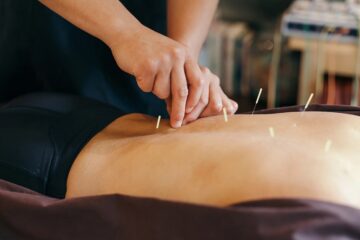
Unlocking the Healing Touch: A Deep Dive into the Art and Science of Acupressure

Introduction: An Ancient Practice with Modern Relevance
In a world that’s increasingly seeking holistic wellness, acupressure stands out as a time-honored, non-invasive healing modality. Rooted in Traditional Chinese Medicine (TCM), acupressure has been practiced for over 2,000 years and continues to thrive, not only in Eastern societies but also among contemporary wellness seekers around the globe. While often overshadowed by acupuncture, acupressure offers many of the same therapeutic benefits—minus the needles.
From relieving chronic pain to enhancing emotional balance, this ancient technique utilizes the body’s own energy pathways, or meridians, to promote self-healing. What makes acupressure particularly compelling is its elegant simplicity: healing, quite literally, at your fingertips.
Understanding the Essence of Acupressure
At its core, acupressure is based on the belief that life energy, or “Qi” (pronounced “chee”), flows through the body along invisible channels. When these pathways are blocked or out of balance, illness or discomfort may follow. Acupressure works by applying gentle but firm pressure on specific points along these meridians, aiming to:
-
Unblock energy flow
-
Stimulate the body’s natural healing mechanisms
-
Improve blood circulation
-
Release muscular tension
-
Promote deep relaxation
Unlike Western medicine, which often targets symptoms, acupressure seeks to address the root cause of ailments by rebalancing internal energies.
The Science Behind the Touch
Though grounded in ancient wisdom, acupressure is also gaining scientific validation. Research has shown promising results in various applications:
-
Pain Relief: A study published in the Journal of Pain and Symptom Management found that acupressure can significantly reduce chronic lower back pain.
-
Nausea and Vomiting: The Pericardium 6 (P6) acupressure point is well-known for alleviating nausea, especially during pregnancy or chemotherapy.
-
Anxiety and Stress: Stimulating points like Yin Tang (located between the eyebrows) may reduce cortisol levels and promote relaxation.
While more large-scale studies are needed, the existing evidence is compelling enough for many healthcare professionals to integrate acupressure into complementary treatment protocols.
Common Acupressure Points and Their Benefits
Understanding a few basic acupressure points can be a gateway to improved well-being. Here are some widely used ones:
-
LI4 (Hegu): Located between the thumb and index finger.
Benefits: Relieves headaches, facial pain, toothaches, and stress. -
P6 (Neiguan): Found three fingers below the wrist crease.
Benefits: Helps with nausea, motion sickness, and anxiety. -
LV3 (Tai Chong): Situated on the top of the foot, between the big toe and second toe.
Benefits: Aids in detoxification, stress relief, and sleep regulation. -
BL23 (Shenshu): Located on the lower back, on either side of the spine.
Benefits: Strengthens the kidneys and alleviates lower back pain. -
ST36 (Zusanli): Found about four fingers below the kneecap.
Benefits: Boosts immunity, digestive health, and vitality.
Regular stimulation of these points, even for just a few minutes a day, can contribute to both preventive health and symptomatic relief.
The Emotional and Energetic Dimension
One of the often-overlooked aspects of acupressure is its profound effect on emotional balance. Traditional Chinese Medicine views emotions as intimately connected to organ systems:
-
Liver: Associated with anger
-
Lungs: Linked to grief
-
Heart: Governs joy
-
Kidneys: Tied to fear
When emotional energy becomes stagnant or excessive, physical symptoms may manifest. Acupressure helps to clear these blockages, leading to emotional clarity and calm. Many practitioners also integrate breathing techniques, visualization, or affirmations during treatment to deepen the energetic resonance of each session.
Self-Care and Empowerment
Perhaps one of the most empowering aspects of acupressure is its accessibility. Unlike other therapies that require expensive tools or frequent appointments, acupressure can be practiced:
-
At home or work
-
On oneself or others
-
With little to no equipment
-
Without side effects or medications
This makes it an ideal self-care strategy in today’s high-pressure, fast-paced society. For individuals who may be skeptical of pharmaceuticals or invasive interventions, acupressure provides a gentle, intuitive alternative.
Integrating Acupressure into Your Daily Life
If you’re new to acupressure, incorporating it into your routine can be as simple as:
-
Morning Wake-Up: Stimulate ST36 to boost energy levels.
-
Midday Reset: Apply pressure to LI4 and P6 for stress relief.
-
Evening Wind-Down: Massage LV3 and Yin Tang to ease into restful sleep.
Additionally, many find enhanced results when acupressure is combined with:
-
Aromatherapy (e.g., using lavender or peppermint oils)
-
Meditation or mindfulness practices
-
Gentle yoga or tai chi
-
Acupressure mats and tools
By treating acupressure as part of a larger wellness lifestyle rather than a quick fix, its cumulative benefits can be significant.
The Role of the Practitioner
While self-treatment is powerful, working with a certified acupressure practitioner can take the experience to a deeper level. Professionals are trained to:
-
Diagnose imbalances in Qi
-
Tailor sessions to specific needs
-
Combine acupressure with bodywork or holistic therapies
-
Track progress and adjust protocols accordingly
Much like massage therapists or chiropractors, experienced acupressure practitioners offer not only technical skill but also an intuitive understanding of the body’s energetic language.
Final Reflections: A Gentle Revolution in Healing
Acupressure may not have the dramatic flair of surgery or the instant gratification of painkillers, but its quiet power is undeniable. It’s a healing art that respects the body’s rhythms, honors its natural intelligence, and empowers individuals to become active participants in their wellness journey.
In an age dominated by quick fixes and high-tech solutions, acupressure reminds us that sometimes, the most profound healing comes not from outside interventions, but from within—one touch at a time.
Summary Bullet Points:
-
Acupressure is an ancient, needle-free healing method grounded in Traditional Chinese Medicine.
-
It works by stimulating meridian points to restore balance and energy flow.
-
Scientifically, it’s been shown to aid in pain relief, nausea, stress reduction, and more.
-
Acupressure is accessible, affordable, and ideal for self-care routines.
-
It promotes both physical and emotional healing through energetic rebalancing.